70s Classic Films: 10 Must-Watch Masterpieces That Defined Cinema
Discover the revolutionary films of the 1970s that transformed Hollywood and continue to influence cinema today. From The Godfather to Nashville, explore these essential classics.
The 1970s changed American cinema forever. The Hays Code finally crumbled, auteur theory took hold, and filmmakers started getting real creative control. The result was a decade of films that looked nothing like what Hollywood had been producing—darker, riskier, more personal.
Here’s ten essential films from that era worth your time.
Why the 1970s Matter
Before the 1970s, studios called the shots. By the end of the decade, directors like Francis Ford Coppola, Martin Scorsese, and Robert Altman were the stars. They made movies about complicated people in impossible situations. They tackled subjects that would have been unthinkable a decade earlier. And they laid the groundwork for every film that came after.
The Essential 10 Classic Films
1. The Godfather (1972) and The Godfather Part II (1974)
Coppola took Mario Puzo’s bestseller about a crime family and turned it into something much bigger—a tragedy about power, family, and the American Dream going corrupt. You know the horse head. You know “the offer.” But what keeps bringing people back is how the films work on every level: as crime stories, as family dramas, as character studies. Marlon Brando’s Don Corleone and Al Pacino’s Michael are two of the greatest performances in American film.
2. The Exorcist (1973)
William Friedkin made a horror movie that everyone took seriously. When Regan (Linda Blair) starts acting weird, her mother (Ellen Burstyn) brings in priests for an exorcism. The film earned ten Oscar nominations—most horror films didn’t get any. People fainted in theaters. Some had heart attacks. Fifty years later, it still works. That’s the sign of something truly disturbing.
3. Chinatown (1974)
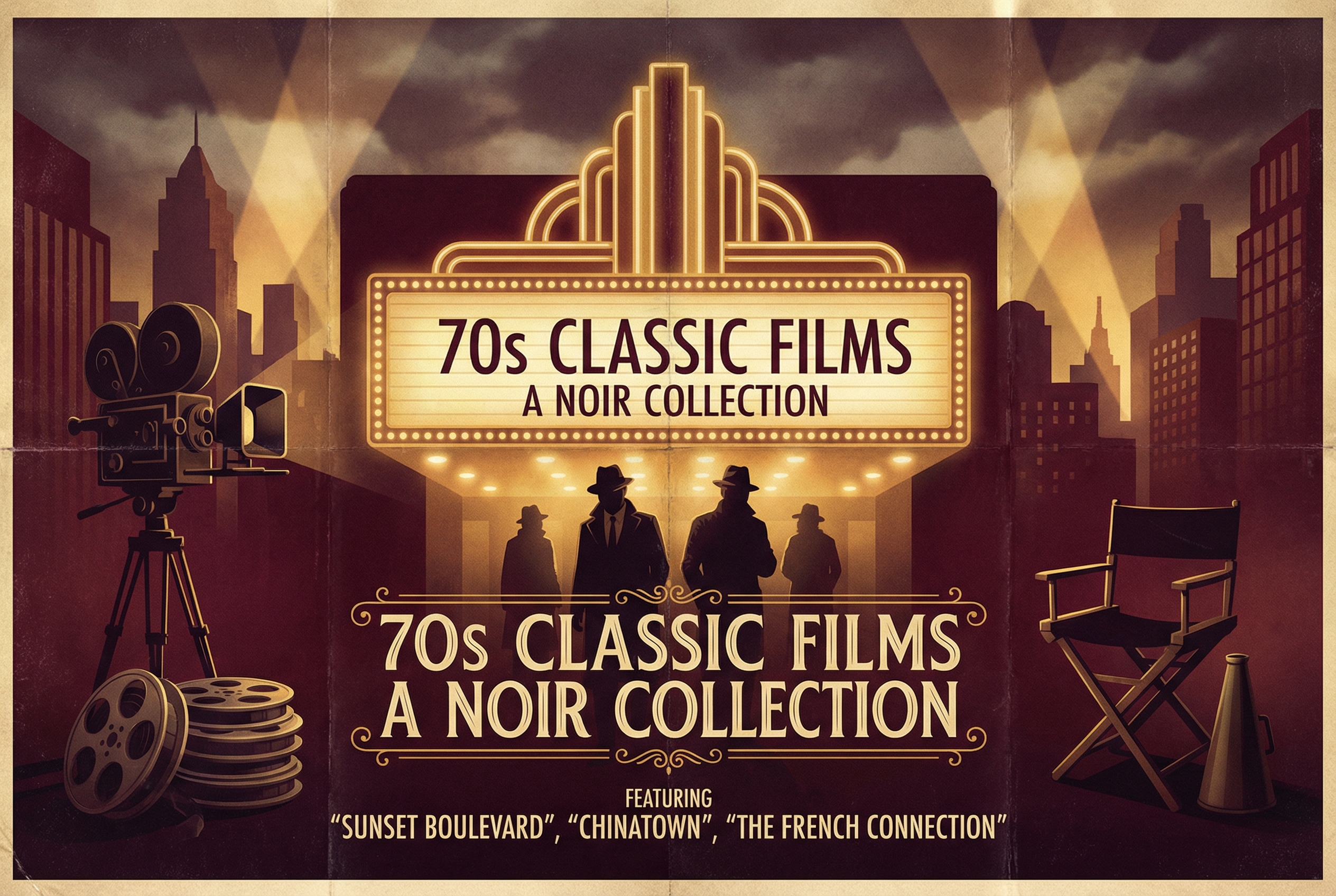
Jack Nicholson plays a private eye who stumbles into a conspiracy involving water rights, corporate corruption, and a wealthy family with secrets. Polanski directed it like a classic film noir but set it in 1970s Los Angeles. The result feels like old Hollywood style meeting post-Watergate paranoia. The ending still stings.
4. Nashville (1975)
Altman threw two dozen characters into a movie about the Nashville music scene over five days. Some are country stars. Some are aspiring musicians. Some are political operatives. The film weaves between all of them, finding dark comedy in ambition, celebrity, and the American Dream. It’s chaotic in the best way—there’s always something happening on screen.
5. Jeanne Dielman, 23 quai du Commerce, 1080 Bruxelles (1975)
This one is not for everyone. Chantal Akerman filmed a widow going through her daily routine—cooking, cleaning, shopping—for three hours. Nothing much happens. Then something does. The film topped the 2022 Sight & Sound poll as the greatest film ever made. That tells you something about how differently people can think about cinema.
6. Taxi Driver (1976)
Scorsese’s portrait of a Vietnam vet working nights in New York became infamous for its violence—and for De Niro’s unsettling performance. Travis Bickle is someone you watch with discomfort, which is exactly the point. The film asks uncomfortable questions about how we relate to disturbed characters on screen.
7. Star Wars (1977)
Lucas created a space adventure that somehow felt both familiar and completely new. The special effects dazzled. The story tapped into something universal. The franchise it launched has not stopped. Love it or hate it, you cannot ignore what this film did to the movie business.
8. Close Encounters of the Third Kind (1977)
Spielberg followed Jaws with something stranger—a movie about ordinary people encountering the supernatural. Richard Dreyfuss is remarkable as a family man who becomes obsessed with making contact. The ending still delivers genuine wonder.
9. Annie Hall (1977)
Allen threw structure out the window and made a rom-com that won Best Picture. The direct-to-camera moments, the quick cuts, the neurotic chemistry between Allen and Keaton—romantic comedies copied this for decades. It proved you could make a smart, adult love story that audiences actually wanted to watch.
10. Apocalypse Now (1979)
Coppola adaptation of Conrad’s Heart of Darkness, set during Vietnam. The making of this film was legendary—monsoons, budget overruns, star breakdowns. The final product is a fever dream about war’s insanity. “I love the smell of napalm in the morning” became one of cinema’s most quoted lines. The Redux version adds thirty minutes that most people could do without, but the original theatrical cut remains essential.
How to Watch These Classics
A few thoughts for modern viewers:
These films move slower than what we’re used to. That’s not a flaw—it’s how they build tension and atmosphere. Fight the urge to check your phone.
Seek out the restored versions when you can. The 4K releases of The Godfather, The Exorcist, and others reveal details that were invisible on previous formats.
Read about the productions. Knowing about the chaos behind the scenes—the collapsed sets, the recuttings, the battles with studios—makes watching these triumphs even better.
Conclusion
The 1970s gave us films that still feel radical today. They proved that movies could be popular and challenging at the same time. The influence is everywhere in contemporary cinema—you just have to know where to look.
Pick any film on this list. You will not regret diving into the decade that changed everything.