Scream 7 Breaks Franchise Records with $97 Million Global Opening, Signals Horror Renaissance
The latest Ghostface installment shatters box office expectations while Paramount's merger with Warner Bros Discovery reshapes Hollywood landscape.
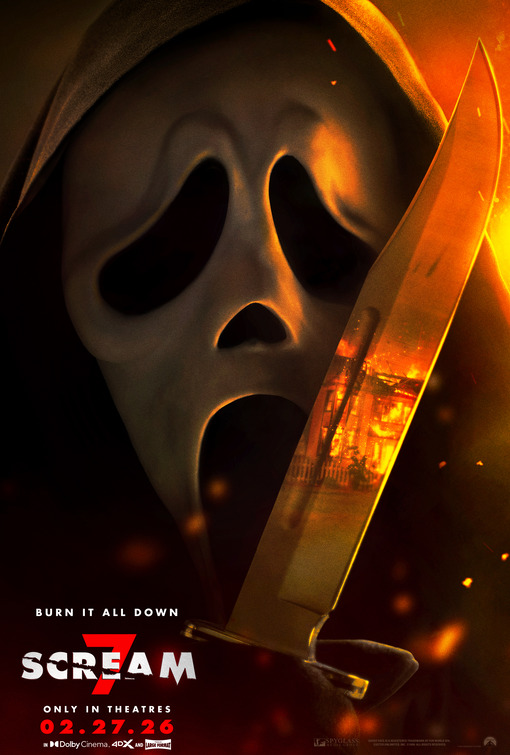
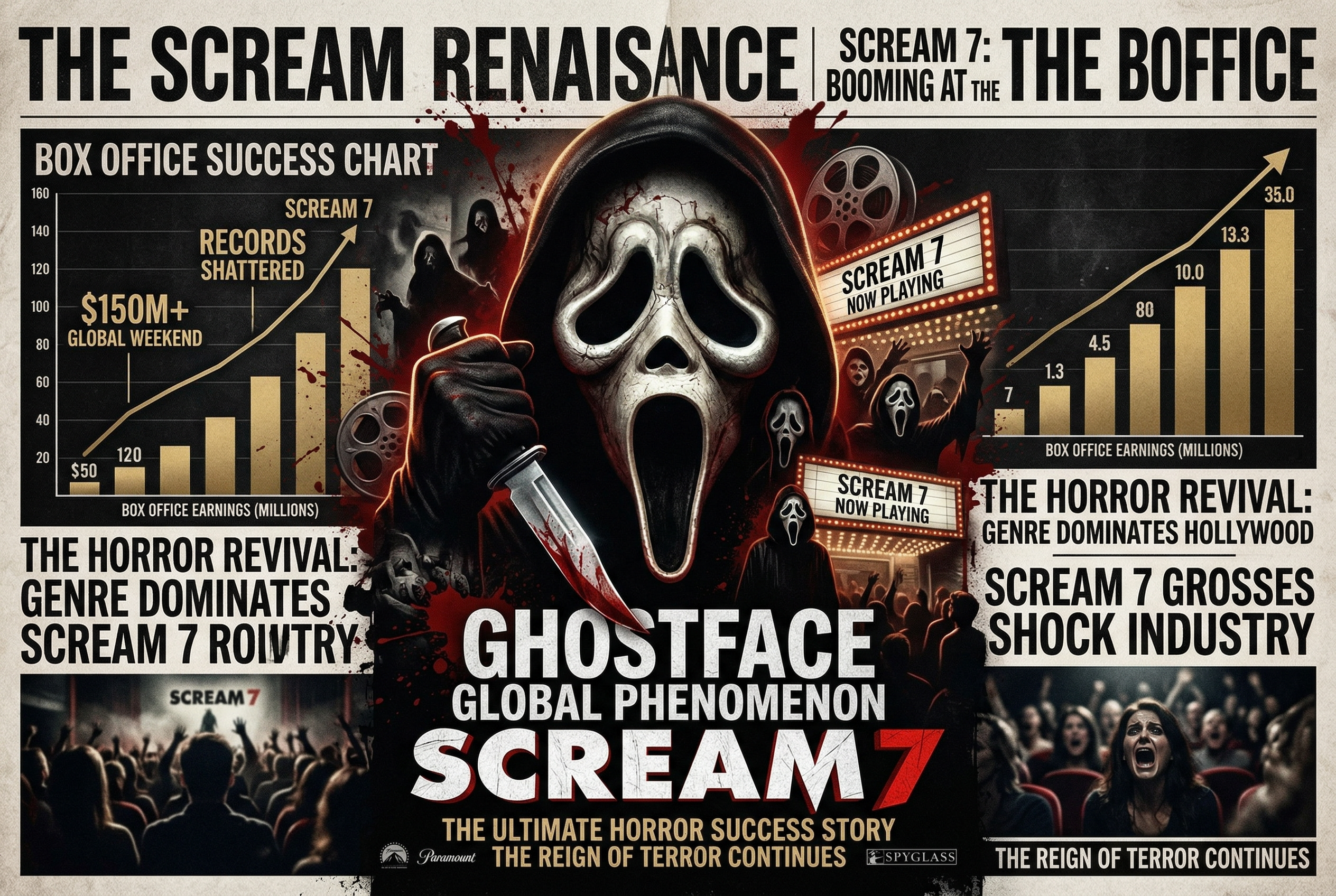
Scream 7 made $97.2 million globally in its opening weekend, breaking every franchise record and becoming the biggest February horror opening in cinema history. The numbers suggest something has shifted in how audiences view horror films.
The Numbers Tell a Story
The seventh Scream film collected $64.1 million domestically and $33.1 million internationally, beating 2023’s Scream VI by over $20 million. It also surpassed 2001’s Hannibal ($58 million) as the biggest February horror opening ever.
“This is sensational business,” says David A. Gross of Franchise Entertainment Research. “Doing it with the seventh entry in a franchise speaks to something deeper happening in the horror landscape.”
The film cost $45 million to make, meaning it will turn a profit during its theatrical run. Premium formats like IMAX and ScreenX accounted for 40% of total grosses—the first time a Scream film has been offered in IMAX.
Why Neve Campbell Mattered
Neve Campbell’s return as Sidney Prescott drove much of the audience interest. Campbell skipped Scream VI over a salary dispute, disappointing fans who had followed the character for 30 years.
“This historic, franchise record-breaking box office performance is a testament to the enduring legacy created by our director Kevin Williamson 30 years ago,” Paramount executives said, crediting Campbell and other legacy cast members like Courteney Cox, David Arquette, and Matthew Lillard.
The audience was 77% between ages 18-44, showing appeal across both original fans and younger viewers discovering the franchise.
Horror’s Critical and Commercial Renaissance
Scream 7’s triumph arrives amid a broader horror renaissance that has seen the genre achieve new levels of critical and commercial respect. Despite receiving a series-low 33% critics’ score on Rotten Tomatoes, the film maintains a solid 78% audience score, proving once again that horror films often operate by different critical standards than other genres.
This disconnect between critical and audience reception reflects a trend in contemporary horror: audiences are increasingly sophisticated in their genre expectations, seeking films that deliver both visceral thrills and emotional resonance. The success of Scream 7 suggests that when franchises honor their legacy while updating their approach, audiences respond enthusiastically.
The film’s record-breaking performance also coincides with other horror successes throughout 2026, indicating that the genre has moved beyond niche appeal to become a dominant force in mainstream entertainment.
Industry Upheaval: The Paramount-Warner Bros Merger
The Scream 7 success story unfolds against seismic changes in Hollywood’s corporate landscape. Just as the film was breaking records, news emerged that David Ellison’s Paramount-Skydance had cleared the path to acquire Warner Bros Discovery in what would be the largest leveraged buyout in entertainment history.
This merger, which reduces the number of legacy Hollywood studios from five to four, promises significant implications for the industry. Ellison has committed to releasing more than 30 films annually—the largest output of any studio by a wide margin—while the consolidation will inevitably result in substantial layoffs across film, television, and corporate operations.
For Paramount, Scream 7 is the studio’s first No. 1 release in 12 months, providing crucial momentum as the company navigates this transformative period. The film’s success shows the value of established franchises in an increasingly competitive marketplace where studios must balance creative risks with financial stability.
Global Market Dynamics
Internationally, Scream 7 faced unique challenges that highlight the complexities of global film distribution. The film’s international rollout was affected by unrest in Mexico following the killing of Jalisco New Generation Cartel head Nemesio “El Mencho” Oseguera Cervantes, demonstrating how real-world events can impact entertainment distribution in unexpected ways.
Despite these challenges, the film’s international performance exceeded expectations, suggesting strong global appetite for American horror franchises when they maintain quality and respect their source material.
Looking Forward: Implications for Horror and Franchises
The success of Scream 7 carries implications far beyond a single weekend’s box office numbers. It shows that audiences remain hungry for well-crafted genre entertainment that balances nostalgia with innovation. The film’s achievement in bringing back legacy cast members while introducing new elements suggests a template for how long-running franchises can maintain relevance across decades.
For the horror genre specifically, Scream 7’s success reinforces the importance of understanding what makes each franchise unique rather than applying generic formulas. The film’s meta-commentary on horror tropes, combined with genuine scares and character development, shows that audiences appreciate intelligence alongside their thrills.
The Broader Context
As Hollywood continues to evolve in response to streaming competition, changing audience preferences, and corporate consolidation, Scream 7’s success provides a crucial data point about what works in contemporary cinema. The film proves that theatrical experiences remain vital for certain types of entertainment, particularly those that benefit from communal viewing and shared emotional responses.
The record-breaking performance also validates the strategy of investing in established intellectual property while respecting the elements that made it successful originally. In an era of franchise fatigue, Scream 7 shows that quality execution can overcome audience skepticism and deliver both critical and commercial success.
As the film continues its theatrical run and the industry processes the implications of major corporate changes, Scream 7 stands as a reminder that great storytelling, respect for legacy, and understanding of audience expectations remain the fundamental drivers of cinematic success. The horror renaissance of 2026 has found its defining moment, and Ghostface has once again proven that some icons never truly die.