The Godfather: A Timeless Masterpiece
Discover why Francis Ford Coppola's 1972 epic remains one of cinema's greatest achievements, exploring family, power, and the American Dream through the Corleone saga.
The Godfather: A Timeless Masterpiece
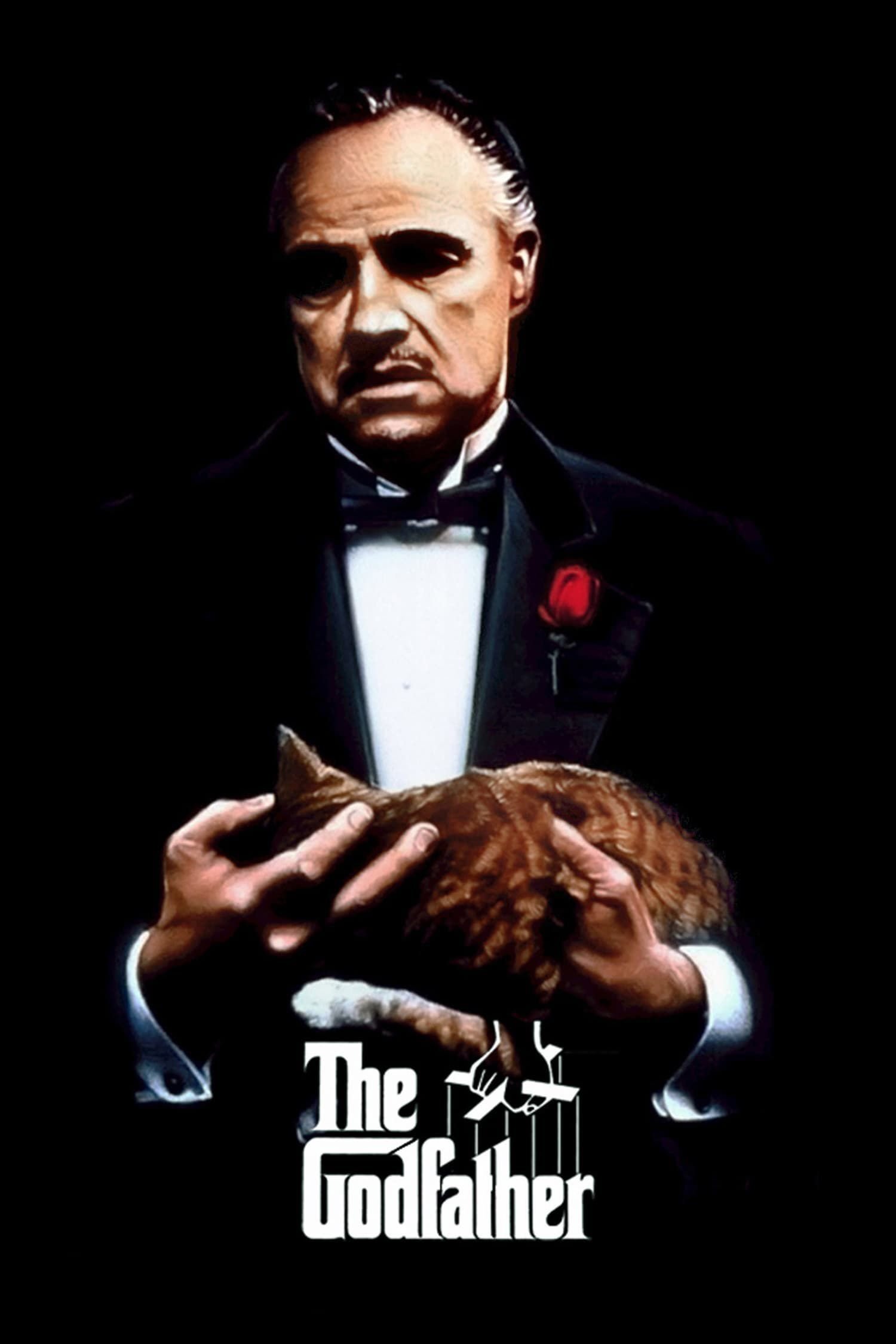
Fifty years after its premiere, Francis Ford Coppola’s The Godfather is more than a film. It’s a cultural phenomenon that transcends its genre. Released in 1972, this adaptation of Mario Puzo’s bestselling novel didn’t simply tell a story about organized crime—it crafted an American myth about family, power, and the corrupting nature of ambition. What makes this film timeless isn’t its violence or its portrayal of the mafia, but its exploration of universal human experiences that resonate across generations.
A Story of Succession and Power
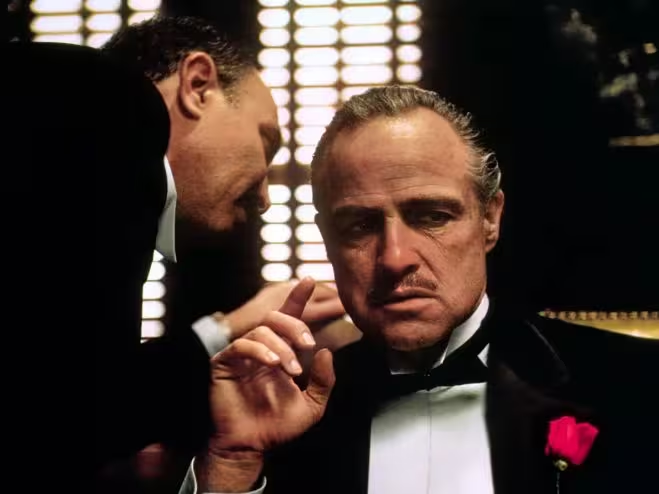
Set between 1945 and 1955, The Godfather chronicles the Corleone family, a powerful Italian-American crime dynasty led by the enigmatic Don Vito Corleone, portrayed with quiet menace by Marlon Brando. The film opens with one of cinema’s most iconic scenes: a father seeking justice for his brutalized daughter, uttering the words “I believe in America” against a black screen before the camera reveals his face, shrouded in shadow, as he appeals to the Don.
But this isn’t merely a crime story. At its heart, The Godfather is about Michael Corleone (Al Pacino), the Don’s youngest son who initially wants nothing to do with the family business. A decorated war hero with dreams of legitimacy, Michael represents the promise of assimilation and the American Dream. Yet circumstances—an assassination attempt on his father, family loyalty, and his own latent capacity for violence—pull him inexorably into the world he sought to escape.
Coppola transformed Puzo’s pulpy novel into an epic about generational conflict and succession. Michael’s journey from reluctant outsider to ruthless godfather mirrors America’s own transformation in the post-war era, as Old World values collided with a new capitalist mindset. The film never glorifies the violence; instead, it shows the terrible cost of power on the human soul.
Themes That Echo Through Time
The Godfather goes beyond a gangster film through its thematic complexity. Coppola identified the story as a metaphor for American capitalism itself—a tale of a great king with three sons, each embodying different aspects of power. The oldest, Sonny (James Caan), has passion and aggression. The middle son, Fredo (John Cazale), possesses a sweet but weak nature. And Michael has intelligence, cunning, and a coldness that makes him the perfect heir.
The film explores the tension between family loyalty and moral compromise. The Corleones operate by a code of honor, yet that code exists outside the law and demands terrible sacrifices. Don Vito’s famous line, “I’m gonna make him an offer he can’t refuse,” has become cultural shorthand for coercion, but within the film’s context, it represents a worldview where power and violence are simply tools of business.
Coppola also examines the immigrant experience and the dark side of the American Dream. The opening scene’s declaration “I believe in America” is immediately undercut by the father’s story of institutional failure. America promised justice but delivered none, forcing him to seek help from the very criminal underworld that thrives in the shadows of legitimate society. The Corleones’ rise to power is both a success story and a cautionary tale about what must be sacrificed to achieve it.
The symbolism throughout the film is masterful. Oranges appear before moments of death or violence. The closing door that shuts Kay (Diane Keaton) out from Michael’s office in the final scene represents her exclusion from his world and the death of their relationship’s innocence. The film’s visual language, crafted by cinematographer Gordon Willis, uses shadow and darkness to suggest moral ambiguity—characters are often half-lit, existing between light and dark, good and evil.
Performances That Define Excellence
The performances in The Godfather are nothing short of legendary. Marlon Brando’s portrayal of Don Vito Corleone, complete with his raspy voice and measured movements, created an indelible character. Brando won the Academy Award for Best Actor (though he famously declined it in protest of Hollywood’s treatment of Native Americans), and his performance set the standard for how movie mobsters would be portrayed for decades to come.
But it’s Al Pacino’s transformation as Michael that provides the film’s emotional core. Watch his face in the restaurant scene where he commits his first murder—the camera slowly tracks closer as his eyes focus with laser intensity, and we witness the exact moment Michael crosses a line from which there’s no return. Pacino, then a relative unknown, received an Oscar nomination for Best Supporting Actor and launched a career that would define American cinema.
The supporting cast is equally remarkable. James Caan brings volatile energy to Sonny, Robert Duvall provides steady intelligence as consigliere Tom Hagen, and John Cazale breaks your heart as the overlooked Fredo. Even smaller roles, like Richard Castellano’s Clemenza, become memorable through perfect casting and direction.
Coppola’s direction deserves equal praise. He was only in his early thirties when he made The Godfather, yet he crafted a film that feels both intimate and epic. He drew from classical filmmaking traditions while pushing the boundaries of what a Hollywood film could be. His decision to keep the story rooted in the specific details of Italian-American culture—the wedding celebration, the family dinners, the rituals—gave the film authenticity that made its universal themes even more powerful.
The film’s score by Nino Rota is equally iconic. The main theme, with its mournful trumpet, has become synonymous with the mafia in popular culture, yet it also conveys the tragedy and melancholy at the story’s heart.
A Cultural Phenomenon
The Godfather profoundly impacted cinema and popular culture. Made on a budget of approximately $6 million, it grossed between $250 and $291 million at the box office, becoming the highest-grossing film of its time. But its financial success was just the beginning.
At the 45th Academy Awards, The Godfather received ten nominations and won three major awards: Best Picture, Best Actor, and Best Adapted Screenplay. The film’s critical and commercial success helped usher in the era of New Hollywood, where young filmmakers like Coppola, Martin Scorsese, and Steven Spielberg revolutionized American cinema.
The film’s influence on the crime genre is immeasurable. Every mafia movie and television show that followed—from Goodfellas to The Sopranos to The Wire—exists in The Godfather’s shadow. The film elevated the gangster genre from B-movie territory to high art, proving that genre films could tackle serious themes and achieve critical acclaim.
Beyond cinema, The Godfather permeated popular culture in ways few films have. Lines like “Leave the gun, take the cannoli” and “It’s not personal, it’s strictly business” became part of the American lexicon. The film has been referenced, parodied, and homaged in countless works, from The Simpsons to hip-hop lyrics to The Muppets.
The film also shaped public perception of organized crime, creating a romanticized yet brutal image of the mafia that emphasized family loyalty and codes of honor. This portrayal sparked debate within the Italian-American community about representation and stereotypes—a conversation that continues today.
Why You Should Watch It
If you’ve never seen The Godfather, or if it’s been years since your last viewing, now is the time. This isn’t just a film to check off a list of classics—it’s a masterclass in storytelling, acting, and filmmaking that rewards repeated viewings.
The film works on multiple levels. As a crime drama, it’s gripping and suspenseful. As a family saga, it’s emotionally resonant. As a commentary on American capitalism and the immigrant experience, it’s thought-provoking. And as pure cinema, it’s a visual and auditory feast.
The Godfather remains timeless because it explores themes that still matter: the tension between family loyalty and personal morality, the corrupting influence of power, the cost of ambition, and the conflict between generations. These aren’t just mafia problems—they’re human problems.
The film also reminds us of what cinema can achieve when artistry and entertainment align. In an era of franchise films and CGI spectacles, The Godfather demonstrates the power of character-driven storytelling, masterful performances, and directorial vision.
More than five decades after its release, The Godfather continues to captivate new audiences while rewarding longtime fans with new insights. It’s a film that grows richer with each viewing, revealing layers of meaning and craftsmanship that weren’t apparent before.
Whether you’re a film student studying the craft, a casual viewer looking for a compelling story, or someone seeking to understand why certain films achieve legendary status, The Godfather delivers. It’s not just a great gangster movie—it’s one of the greatest films ever made, period.
In the end, The Godfather endures because it tells a fundamentally human story with honesty, complexity, and artistry. It doesn’t offer easy answers or simple morality. Instead, it presents flawed characters making difficult choices in a world where power and family are everything, and asks us to understand them even as we recognize the tragedy of their choices.
That’s why, fifty years later, we’re still talking about it. That’s why it remains a masterpiece. And that’s why you should watch it—or watch it again.